

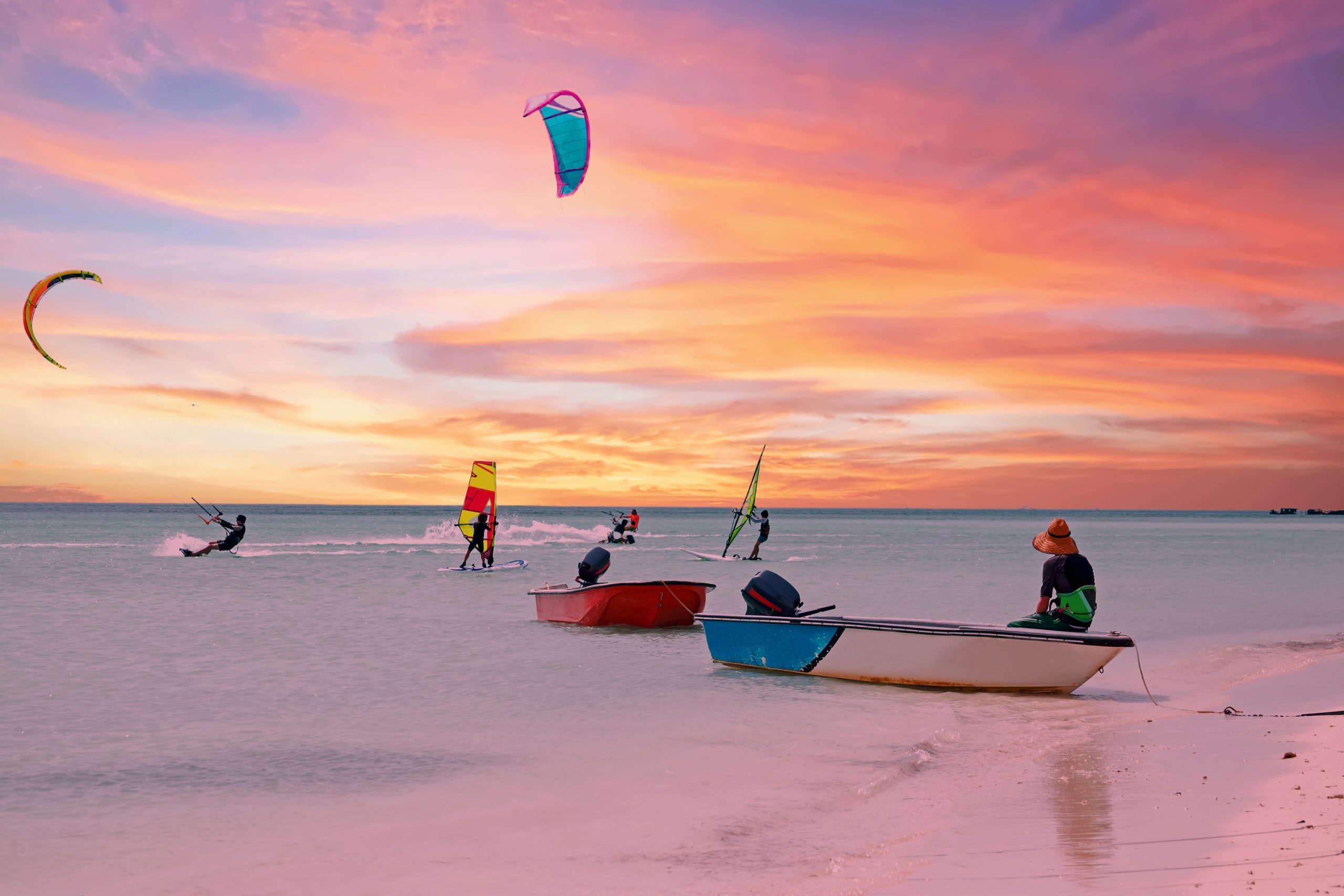
The Power of Connection in Adventure
My empathetic nature has taught me that kitesurfing, while often appearing as an individual sport, is fundamentally a community activity. The safety, learning, and enjoyment we experience on the water are deeply connected to the relationships we build on land. Understanding how to develop and contribute to supportive adventure communities has become as important to my approach as technical skills or equipment knowledge.
This community perspective influences every aspect of my customer consultations and teaching approach. When helping people progress in kitesurfing, building connections with other riders often provides more lasting benefit than any individual lesson or equipment recommendation.
Understanding Community Dynamics
Safety Through Numbers Kitesurfing safety improves dramatically when riders look out for each other. Experienced community members provide spotting, advice, and emergency assistance that can prevent minor issues from becoming serious problems.
Local communities develop informal safety protocols, knowledge about hazards, and rescue capabilities that benefit everyone. Understanding how to contribute to rather than just benefit from these community resources creates stronger safety networks for everyone.
Knowledge Sharing and Learning Acceleration Community connections provide access to accumulated local knowledge, equipment experience, and technique insights that would take years to develop individually. This knowledge sharing accelerates learning while preventing common mistakes.
Experienced riders in strong communities actively share knowledge, mentor newer members, and create environments where asking questions feels safe and encouraged.
The Teaching Perspective on Community Building
My teaching ability has shown me that students who connect with local communities progress faster and maintain longer-term involvement than those who approach kitesurfing as purely individual activities.
Progressive Community Integration New riders need guidance on how to integrate into existing communities respectfully while finding their place in established social dynamics. This integration process affects both learning speed and long-term enjoyment.
Contributing vs. Taking Mindset Healthy community members think about contributing to group welfare rather than just benefiting from community resources. Understanding how to contribute appropriately helps new members build positive relationships.
Mentorship Development As skills develop, taking on mentorship roles reinforces learning while contributing to community strength. Understanding how to mentor effectively benefits both new riders and experienced community members.
My Problem-Solving Approach to Community Challenges
Being good at fixing things extends to addressing community conflicts, safety issues, and organizational challenges that affect local kitesurfing scenes.
Communication and Conflict Resolution Communities inevitably face disagreements about safety protocols, spot usage, and behavioral standards. Understanding how to address these conflicts constructively helps maintain positive community dynamics.
Resource Sharing and Organization Many community challenges involve resource allocation, from beach access to equipment sharing to group activity organization. Systematic approaches to these challenges benefit everyone involved.
Inclusive Community Development Building communities that welcome riders of different skill levels, backgrounds, and interests requires intentional effort to create inclusive environments rather than exclusive cliques.
Adventure Travel and Community Connections
My wanderlust and passion for exploration have taught me that community connections enhance adventure travel dramatically while providing safety networks in unfamiliar locations.
Travel Community Integration Understanding how to connect with local kitesurfing communities when traveling provides access to local knowledge, safety support, and cultural experiences that enhance adventure travel significantly.
Respecting Local Communities Adventure travel creates responsibilities to respect local communities, environments, and cultural practices. Understanding how to be a positive visitor rather than just a consumer enhances experiences while building positive relationships.
Building Global Networks Adventure travel creates opportunities to build international connections that provide future travel resources, cultural exchanges, and lifelong friendships based on shared passion for kitesurfing.
Mentorship Relationships and Development
Finding Mentors and Guides Understanding how to identify and connect with appropriate mentors accelerates learning while building relationships that often extend beyond kitesurfing into other life areas.
Good mentors provide not just technical instruction but also judgment development, safety awareness, and perspective on long-term progression. These relationships require mutual respect and clear communication about expectations.
Becoming a Mentor and Teacher As skills and experience develop, taking on mentorship roles contributes to community strength while reinforcing your own knowledge and providing personal satisfaction from helping others succeed.
Effective mentorship requires patience, clear communication, and genuine care for student success rather than ego satisfaction from demonstrating superior skills.
Peer Learning and Support Some of the most valuable learning happens through peer relationships with riders at similar skill levels who share challenges, discoveries, and progression experiences.
Safety Networks and Emergency Support
Buddy Systems and Spotting Formal and informal buddy systems provide safety monitoring that can prevent accidents and provide rapid response when problems occur. Understanding how to participate in these systems benefits everyone’s safety.
Experienced spotters can identify dangerous situations developing before the rider recognizes the problem. This early warning system prevents many potential accidents while building community safety culture.
Emergency Response Planning Communities that plan for emergency responses handle actual emergencies more effectively. Understanding local emergency resources, communication systems, and response protocols helps you contribute to rather than burden emergency situations.
Risk Communication and Assessment Communities develop shared understanding of local hazards, appropriate risk levels, and safety protocols through ongoing communication about conditions and incidents. Participating in this knowledge sharing improves everyone’s safety awareness.
Building Inclusive and Welcoming Communities
Gender and Diversity Inclusion Creating welcoming environments for riders of all genders, backgrounds, and experience levels requires intentional effort and ongoing attention to community dynamics and practices.
Understanding how to support diversity and inclusion in traditionally male-dominated adventure sports benefits everyone while building stronger, more resilient communities.
Economic Accessibility Kitesurfing equipment costs can create barriers to participation. Understanding how to support economic accessibility through equipment sharing, group purchases, and skill sharing helps build more inclusive communities.
Age and Ability Accommodation Strong communities accommodate riders of different ages, physical abilities, and life circumstances rather than focusing only on young, highly athletic participants.
The Honest Advice Approach to Community Involvement
My commitment to honest advice means discussing community participation realistically, including both benefits and responsibilities that come with community membership.
Community Obligations and Expectations Community membership involves responsibilities as well as benefits. Understanding these obligations helps you contribute appropriately while avoiding conflicts with established community norms.
Personality and Community Fit Not every community suits every personality type. Understanding how to find communities that match your communication style, risk tolerance, and social preferences improves long-term satisfaction.
Avoiding Toxic Community Dynamics Some communities develop unhealthy dynamics including excessive risk-taking pressure, exclusivity, or poor safety cultures. Understanding how to recognize and avoid these situations protects your development and enjoyment.
Technology and Modern Community Building
Online Community Integration Modern kitesurfing communities often include online components through social media, forums, and messaging platforms. Understanding how to participate in these digital spaces effectively enhances community connections.
Information Sharing Platforms Technology enables rapid sharing of condition information, safety updates, and community announcements that strengthen local scenes while improving safety and session coordination.
Balancing Digital and Physical Community Online connections should supplement rather than replace face-to-face community interactions. Understanding how to balance digital and physical community participation creates stronger overall relationships.
Community Leadership and Organization
Developing Leadership Skills As experience and community involvement grow, opportunities for leadership roles arise that benefit both personal development and community strength. Understanding how to take on appropriate leadership helps communities thrive.
Event Organization and Coordination Communities benefit from organized activities including group sessions, skill clinics, social events, and conservation projects. Understanding how to contribute to event organization strengthens community bonds.
Conflict Resolution and Mediation Leadership roles often involve addressing conflicts and facilitating communication between community members with different perspectives or interests.
Environmental Stewardship Through Community
Conservation and Protection Activities Strong kitesurfing communities often organize beach cleanups, habitat restoration, and advocacy activities that protect the environments where we play. Understanding how to contribute to these efforts aligns adventure with environmental responsibility.
Education and Awareness Building Communities can educate members about environmental issues, sustainable practices, and responsible behavior that protects access and environmental health.
Advocacy and Access Protection Organized communities can advocate more effectively for continued beach access, responsible development, and protection of kitesurfing venues than individuals acting alone.
The Empathetic Approach to Community Support
My empathetic nature helps me understand that community participation requires sensitivity to different personalities, skill levels, and life circumstances that affect how people engage with groups.
Supporting Struggling Members Communities thrive when members support each other through challenges, whether those are skill development plateaus, equipment problems, or personal difficulties affecting participation.
Celebrating Community Successes Recognizing and celebrating member achievements, community milestones, and positive developments reinforces community bonds while motivating continued participation.
Providing Emotional Support Adventure sports can be emotionally challenging, and supportive communities provide encouragement, perspective, and motivation that help members work through difficulties.
Long-term Community Sustainability
Member Development and Retention Sustainable communities focus on developing members rather than just using them. Understanding how to contribute to member development helps communities maintain strength over time.
Knowledge Preservation and Transfer As experienced members move away or reduce participation, communities need systems for preserving and transferring accumulated knowledge to newer members.
Adaptation and Evolution Communities must adapt to changing conditions, new technologies, and evolving member interests while maintaining core values and safety standards.
Building Professional Networks
Industry Connections and Opportunities Strong community involvement often leads to professional opportunities within the kitesurfing industry, from instruction to equipment retail to travel services.
Business Development and Support Local communities often support member businesses while providing opportunities for service development and customer connection that benefit everyone.
Skill Development and Career Building Community involvement provides opportunities to develop leadership, communication, and organizational skills that transfer to other life areas and career development.
Crisis Response and Community Resilience
Emergency Mobilization Strong communities can mobilize quickly to respond to member emergencies, natural disasters, or threats to local access and resources.
Resource Sharing During Difficulties Communities that share resources during individual or collective challenges build resilience while supporting members through temporary difficulties.
Advocacy and Problem Solving Organized communities can address access issues, safety concerns, and environmental threats more effectively than individuals working alone.
Conclusion: Adventure Enhanced Through Connection
The community aspects of kitesurfing often provide the most lasting satisfaction and meaningful experiences in our adventure lifestyle. My calm approach to community building helps me contribute positively while avoiding the conflicts that can damage group dynamics.
Building supportive adventure communities requires intentional effort, ongoing communication, and genuine care for collective welfare rather than just individual benefit. When done well, these communities enhance safety, accelerate learning, and provide lasting friendships that extend far beyond kitesurfing.
Your community involvement should reflect your personality, available time, and desire to contribute while respecting the efforts and preferences of other members. Understanding how to participate positively benefits everyone while enriching your own experience.
The adventure lifestyle we all seek becomes more meaningful when shared with others who understand the challenges, celebrate the successes, and provide support through difficulties. Building these connections creates lasting value that extends far beyond individual sessions.
Remember: strong communities don’t happen accidentally – they require ongoing effort from members who care about collective welfare. Your contribution to community building helps create the supportive environment that benefits everyone while enhancing your own adventure experience.