
When Values Meet Adventure
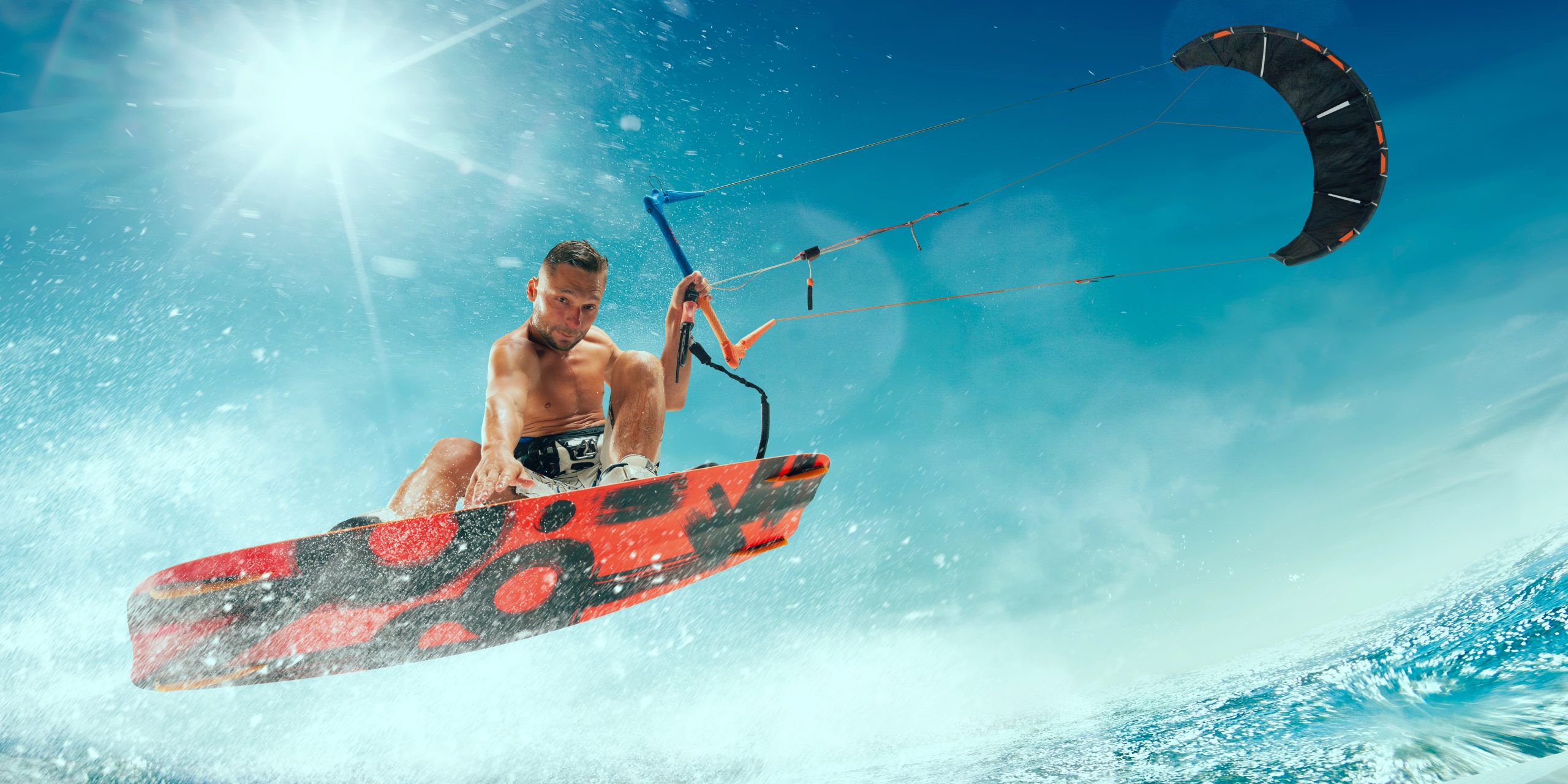
My commitment to animal welfare and environmental responsibility didn’t start with kitesurfing, but this sport has taught me how adventure choices can either support or undermine the values we hold dear. Every piece of equipment we choose, every maintenance decision we make, and every replacement we consider represents an opportunity to align our gear practices with our deeper beliefs.
The ocean environments where we practice our sport are under increasing pressure from climate change, pollution, and overuse. As someone who experiences these places intimately through kitesurfing, I feel a responsibility to ensure my gear choices contribute to preserving rather than degrading these incredible natural spaces.
The Evolution of Sustainable Thinking
Like many riders, I initially focused primarily on performance and price when choosing equipment. My empathetic nature gradually helped me recognize that our gear choices affect not just our own experience, but the broader environmental and social systems that make kitesurfing possible.
Research from the European Outdoor Group shows that equipment longevity is the single most impactful factor in reducing the environmental footprint of adventure sports. A kite that lasts twice as long has roughly half the environmental impact per session, regardless of how it was manufactured.
Understanding True Equipment Costs
Manufacturing Impact Modern kitesurfing equipment requires energy-intensive manufacturing processes and materials sourced from around the world. Understanding these impacts helps you make more informed decisions about when upgrades are truly necessary versus when they’re driven by desire for novelty.
Transportation Footprint Most kitesurfing equipment travels thousands of miles from manufacturer to consumer. Choosing equipment that will serve longer reduces the transportation impact per year of use.
End-of-Life Considerations What happens to kitesurfing equipment when it’s no longer usable? Some materials can be recycled or repurposed, while others contribute to waste streams. Considering end-of-life impacts influences both initial choices and disposal decisions.
My Problem-Solving Approach to Sustainable Gear
Being good at fixing things naturally leads to a repair-first mindset that aligns with sustainable practices. Many equipment issues that seem to require replacement can actually be addressed through repair or refurbishment.
Repair vs. Replace Decision Framework
- Safety considerations always take priority
- Cost of repair vs. cost of replacement
- Expected remaining life after repair
- Availability of repair services and parts
- Environmental impact of each option
Preventive Maintenance Philosophy Proper maintenance extends equipment life dramatically while maintaining performance. This approach reduces environmental impact while often improving the user experience.
Quality Investment Strategy Choosing higher-quality equipment that lasts longer makes both economic and environmental sense. Understanding the difference between price and value helps you make better long-term decisions.
Material Considerations and Innovation
Traditional vs. Modern Materials Kitesurfing equipment has evolved rapidly in recent years, with new materials offering improved performance and sometimes better environmental profiles. Understanding these developments helps you make informed choices.
Durability vs. Performance Trade-offs Sometimes the most durable option isn’t the highest performing option. Understanding these trade-offs helps you choose equipment that matches your priorities and riding style.
Recycled and Bio-based Materials The industry is beginning to incorporate recycled materials and bio-based alternatives to traditional synthetic materials. These innovations offer ways to reduce environmental impact without compromising performance.
The Honest Advice Approach to Sustainability
My commitment to honest advice means discussing the real environmental trade-offs in equipment choices rather than making simple claims about “green” products.
Marketing vs. Reality Many environmental claims in sports equipment marketing lack substance. Understanding what terms like “eco-friendly” actually mean helps you evaluate products accurately.
Perfection vs. Progress No equipment choice is perfectly sustainable, but some choices are significantly better than others. Focusing on progress rather than perfection helps you make better decisions without getting paralyzed by complexity.
Cost and Accessibility Considerations Sustainable options often cost more initially, creating accessibility challenges. Understanding long-term costs and finding ways to make sustainable choices more accessible benefits everyone.
Practical Sustainable Gear Strategies
Equipment Sharing and Community Resources Local kitesurfing communities often have opportunities for equipment sharing, lending, or group purchases that reduce individual environmental impact while building community connections.
Used Equipment Markets Buying used equipment reduces manufacturing demand while often providing excellent value. Understanding how to evaluate used equipment condition helps you find good deals while avoiding safety compromises.
Modular and Upgradeable Systems Some equipment systems allow component replacement or upgrading without replacing entire systems. These approaches can reduce environmental impact while allowing performance improvements.
Maintenance as Environmental Action
Extending Equipment Life Proper maintenance is perhaps the most impactful environmental action most kitesurfers can take. Equipment that lasts twice as long has roughly half the environmental impact per session.
Proper Storage and Transport How you store and transport equipment affects its longevity significantly. UV exposure, moisture, and mechanical stress all contribute to premature aging.
Seasonal Maintenance Routines Systematic maintenance catches problems early while ensuring equipment is ready when you need it. This proactive approach prevents emergency replacements while extending equipment life.
The Teaching Perspective on Sustainable Practices
My teaching ability has shown me that sustainable practices must be practical and achievable to be adopted widely. Complex sustainability strategies that require significant lifestyle changes are less likely to be maintained long-term.
Progressive Implementation Sustainable practices can be adopted gradually, starting with the most impactful and easiest changes. This approach builds habits while avoiding overwhelming complexity.
Community Leadership Experienced riders can influence community practices through example and education. When respected community members adopt sustainable practices, others often follow.
Values-Based Decision Making
Aligning Choices with Beliefs My animal welfare values influence equipment choices, favoring synthetic materials over animal-derived ones. Understanding your own values helps you make decisions that feel authentic and sustainable long-term.
Supporting Responsible Companies Some manufacturers demonstrate genuine commitment to environmental and social responsibility, while others engage primarily in marketing. Research helps you direct your purchasing toward companies that align with your values.
Local Economic Impact Choosing local retailers and service providers keeps more money in your local economy while often providing better customer service and community connection.
Innovation and Future Possibilities
Emerging Technologies New materials and manufacturing processes offer possibilities for equipment that performs better while having less environmental impact. Staying informed about these developments helps you make better choices as they become available.
Circular Economy Concepts Some companies are experimenting with take-back programs, refurbishment services, and circular design principles. These innovations offer new ways to reduce environmental impact while maintaining performance.
Building Sustainable Adventure Communities
Sharing Resources and Knowledge Communities that share equipment, maintenance knowledge, and repair skills reduce individual environmental impact while building stronger social connections.
Collective Action Opportunities Groups of kitesurfers can have more influence with manufacturers and retailers than individuals. Collective action can drive industry changes that benefit everyone.
The Adventure Lifestyle Perspective
My wanderlust and passion for exploration have taught me that the places we love to visit are fragile and need protection. Sustainable gear practices are one way to ensure these places remain available for future generations of adventurers.
Protecting the Playground The beaches, coastlines, and marine environments where we kitesurf are under pressure from development, pollution, and climate change. Our gear choices can either contribute to these problems or help address them.
Long-term Adventure Thinking Sustainable practices ensure that adventure opportunities remain available long-term. Short-term convenience that undermines long-term environmental health ultimately limits adventure possibilities.
Conclusion: Adventure with Purpose
The integration of environmental values with adventure lifestyle creates a more meaningful and sustainable approach to kitesurfing. When gear choices align with deeper values, every session becomes an expression of your commitment to protecting the places and communities that make adventure possible.
My calm demeanor extends to environmental considerations – sustainable practices don’t require stress or perfection, just thoughtful consideration and gradual improvement. Small changes in gear selection, maintenance practices, and disposal decisions compound over time to create significant positive impact.
The adventure lifestyle we all seek can either support or undermine the environmental health that makes adventure possible. Choosing sustainable gear practices ensures that future generations of kitesurfers will have access to the same incredible experiences we enjoy today.
Your sustainable adventure journey starts with your next gear decision. Whether that’s repairing instead of replacing, choosing quality over quantity, or supporting companies with genuine environmental commitments, every choice matters.
Remember: sustainable practices enhance rather than limit adventure. When your gear choices align with your values, every session becomes more meaningful and every adventure contributes to preserving the places you love.